In recent years, the threat of seismic activity has become an increasing concern for builders and architects around the world With the rise in frequency and intensity of earthquakes, it has become more important than ever to implement proper seismic bracing in building structures Seismic bracing, also known as seismic restraint or lateral bracing, is the process of securing building components to prevent damage or collapse during an earthquake.
Seismic bracing is crucial for ensuring the safety and integrity of a building Without proper bracing, buildings are at risk of collapsing or sustaining severe damage in the event of an earthquake This not only puts the occupants of the building at risk but also poses a threat to neighboring structures and the surrounding community.
There are several key components to consider when implementing seismic bracing in building structures One of the most important factors is the design and placement of the bracing elements These elements are typically made of steel or reinforced concrete and are strategically placed throughout the building to provide lateral support and stability.
Another important aspect of seismic bracing is the connections between building components These connections must be strong and flexible to allow for movement during an earthquake while still maintaining structural integrity Weak or rigid connections can lead to failure and compromise the safety of the entire building.
In addition to the design and placement of bracing elements, it is also essential to consider the overall structural system of the building Buildings with irregular or asymmetrical shapes are more vulnerable to earthquake forces and require additional bracing to mitigate the effects of seismic activity.
Furthermore, the materials used in the construction of a building can also impact its susceptibility to seismic forces Buildings constructed with lightweight materials such as wood or steel are more likely to withstand the effects of an earthquake compared to buildings made of heavy masonry or concrete.
One common method of seismic bracing is the use of diagonal bracing bracing seismic. Diagonal braces are typically installed between floors or walls at an angle to provide lateral support and resistance to seismic forces These braces help to distribute the forces generated during an earthquake and prevent the building from collapsing or shifting.
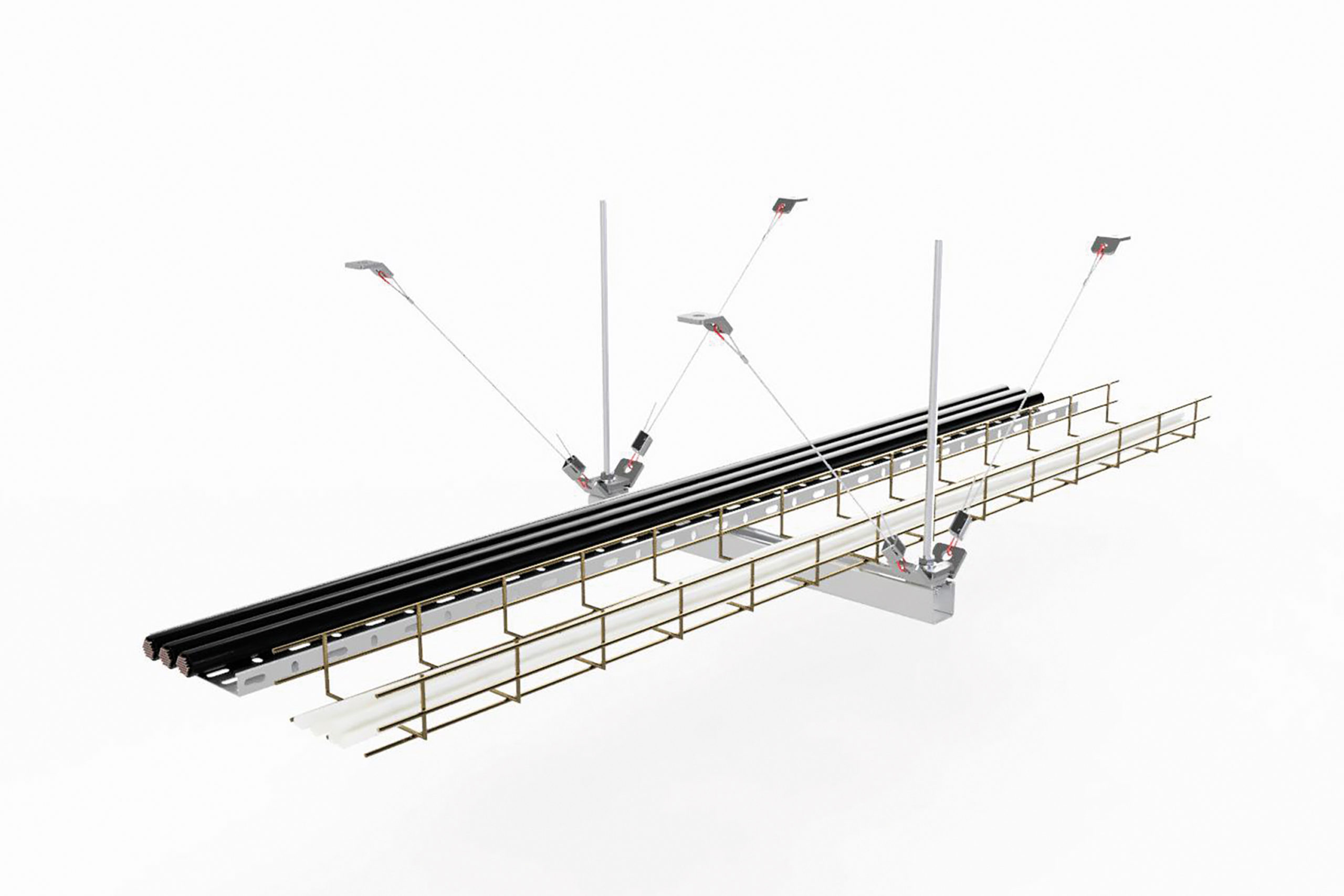
Another effective form of seismic bracing is the use of shear walls Shear walls are vertical elements built into the structure of a building to resist lateral forces These walls help to transfer seismic forces to the foundation of the building and prevent it from swaying or collapsing during an earthquake.
In addition to these traditional methods of seismic bracing, new technologies such as base isolators and dampers are also being used to enhance the seismic performance of buildings Base isolators are devices installed between the foundation and the superstructure of a building to absorb and dissipate seismic energy Dampers, on the other hand, are mechanical devices that help to reduce the oscillations of a building during an earthquake.
Overall, the importance of seismic bracing in building structures cannot be overstated By implementing proper bracing techniques and technologies, builders and architects can improve the safety and resilience of buildings in seismic-prone areas Not only does seismic bracing protect the occupants of a building, but it also helps to preserve the structural integrity of the building and reduce the risk of damage to surrounding structures.
In conclusion, seismic bracing is a critical aspect of building design that must be carefully considered to ensure the safety and stability of structures in earthquake-prone regions By understanding the importance of seismic bracing and implementing the proper techniques and technologies, we can create buildings that are resilient to seismic activity and protect the lives and property of those within them.